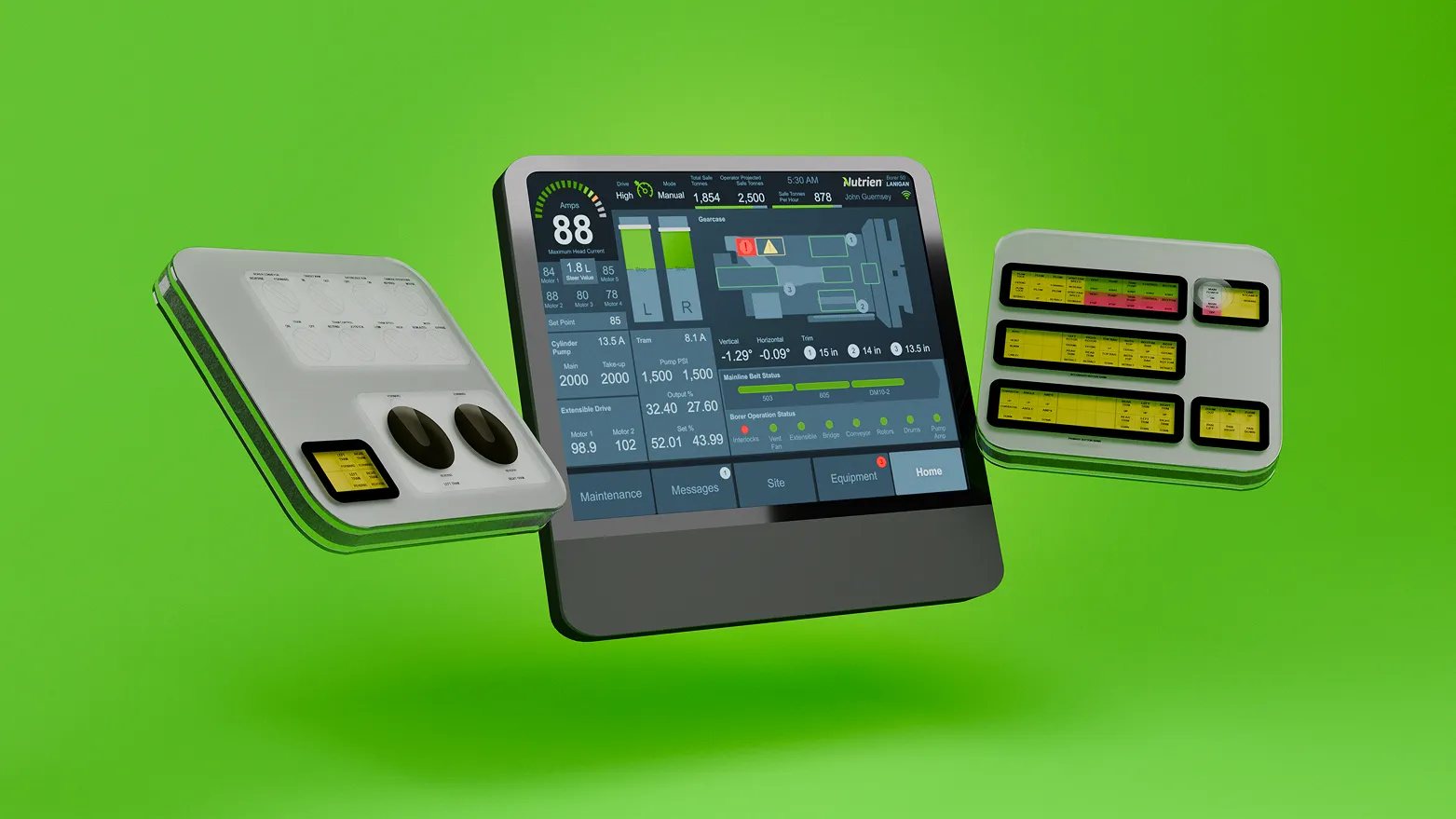
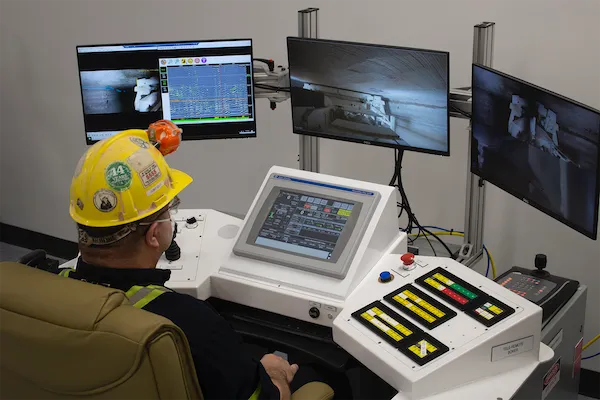
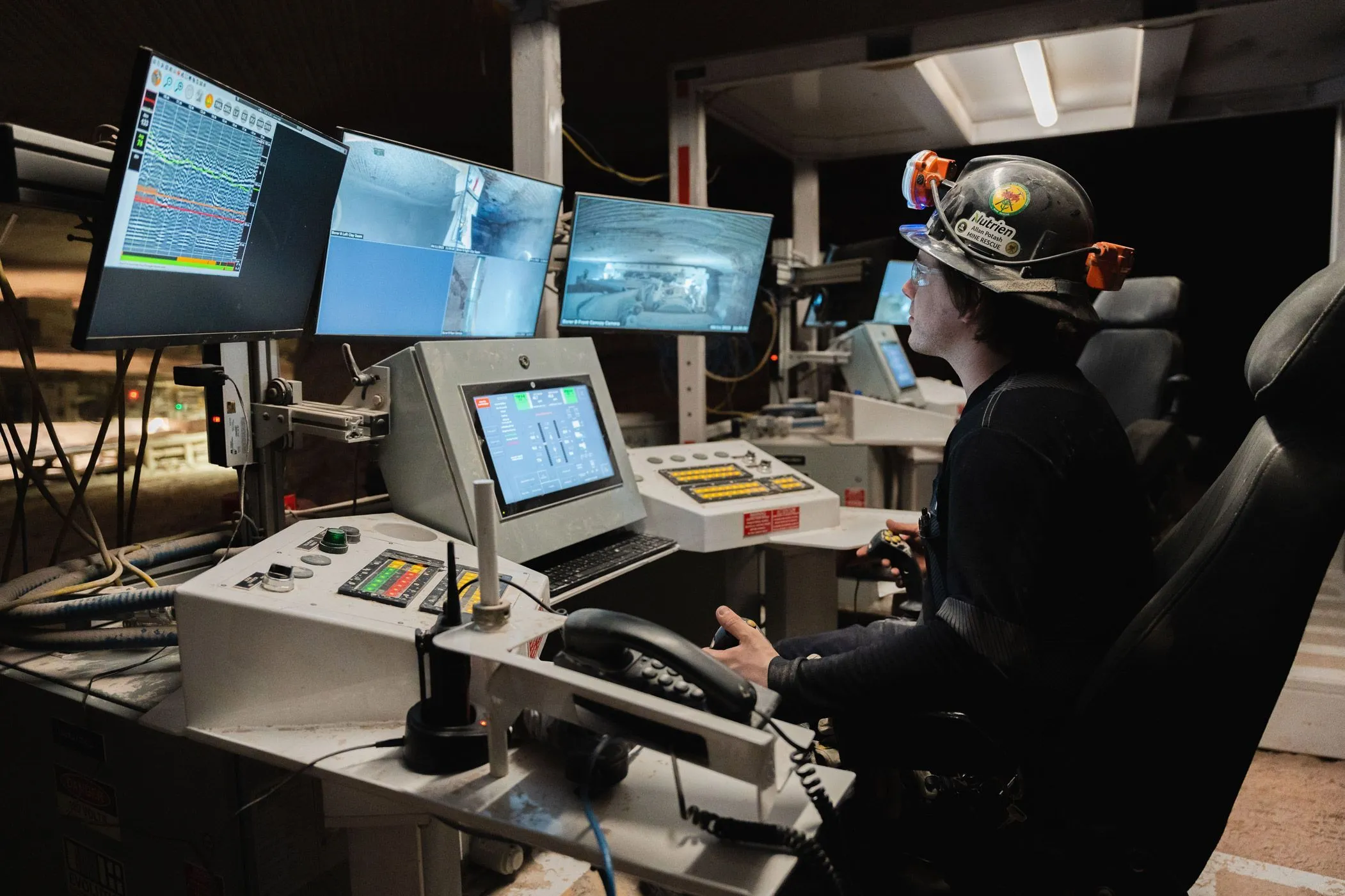
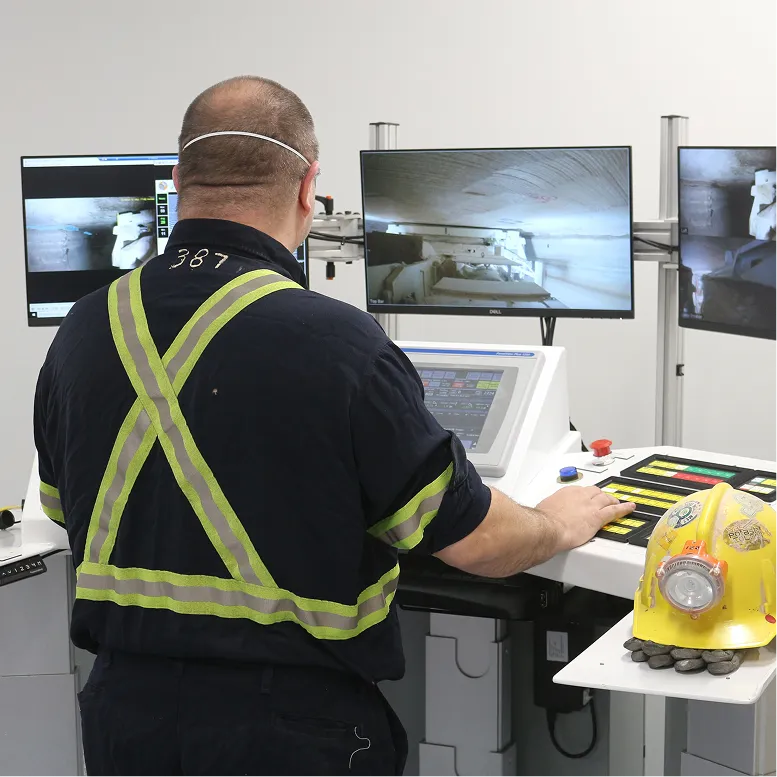
Next generation interface design and teleremote station concept that reimagined how operators interact with underground mining equipment, reducing cognitive load and enabling safer, surface-based control of continuous miners in high-risk environments.
Nutrien is the largest provider of crop inputs, services, and solutions in the world, with potash mining operations that reach some of the most demanding underground environments in the industry. In these conditions, operators work with powerful, complex machinery where a misread screen or delayed decision can mean injury. Clarity isn't a design preference. It's a safety requirement.
When Nutrien introduced Sandvik MF420 continuous miners into its operations, the technology brought new capability but also new complexity: more data streams, more machine states, more ways for operators to lose focus under pressure. The challenge wasn't simply to design a better screen. It was to create an interface that could unify control-system data, camera feeds, and machine intelligence into a single experience that supports fast, confident decisions in noisy, high-stress underground environments where fatigue is constant and mistakes are costly.
Nutrien partnered with zu to research, prototype, and design a next-generation HMI and a surface-based teleremote control station, built to help operators control equipment from safer environments while maintaining precision and situational awareness.
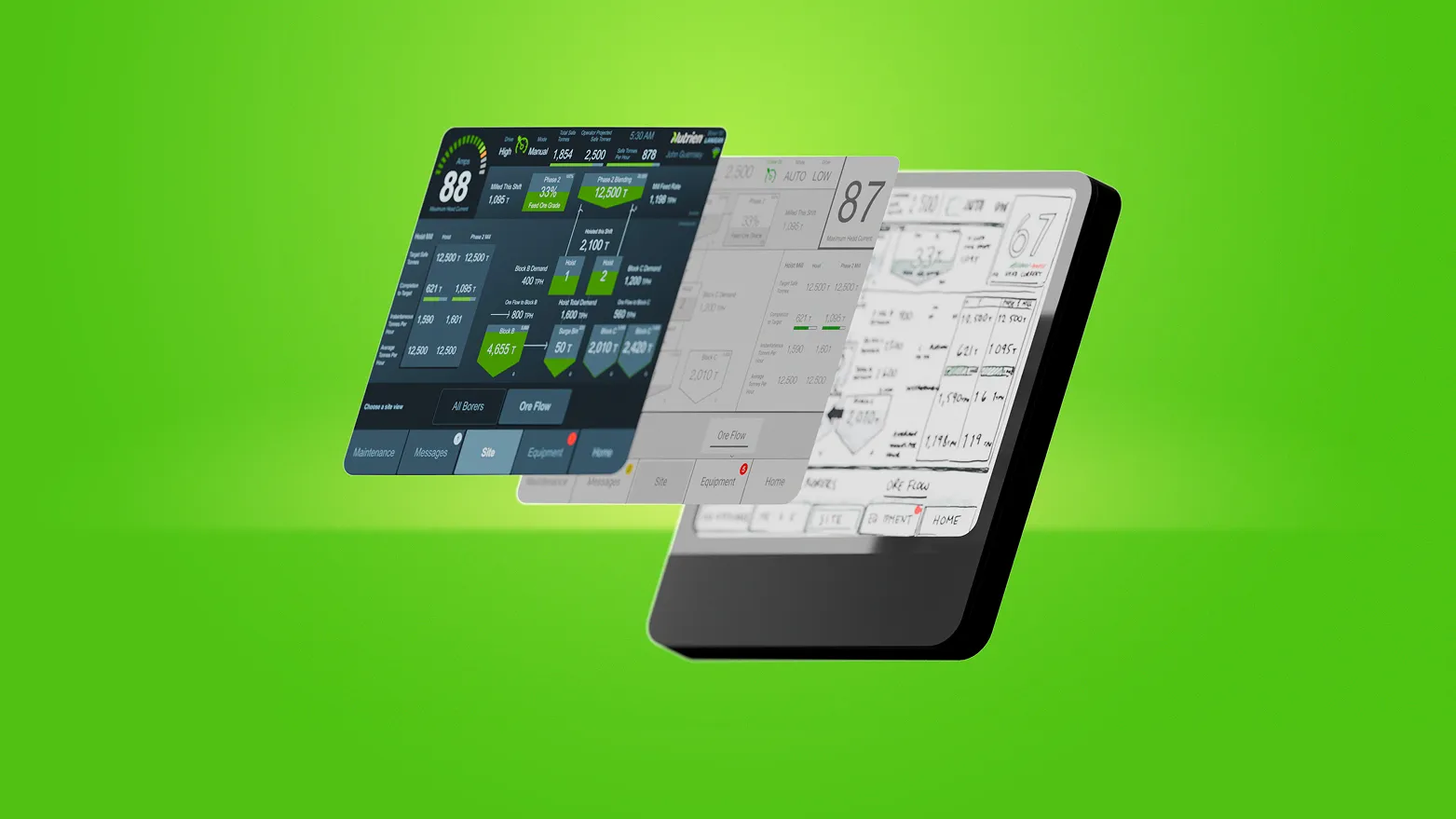
The work was guided by a single principle: reduce cognitive load by making the essential unmistakable. Information hierarchy was rebuilt so critical machine status and decision thresholds surface first. Layouts were standardized across machines to reduce training time and reinforce muscle memory. Color was reserved for alerts and abnormal conditions, functioning as a signal rather than decoration. The home screen was stripped to what operators need in the moment, eliminating visual noise that slows response time.
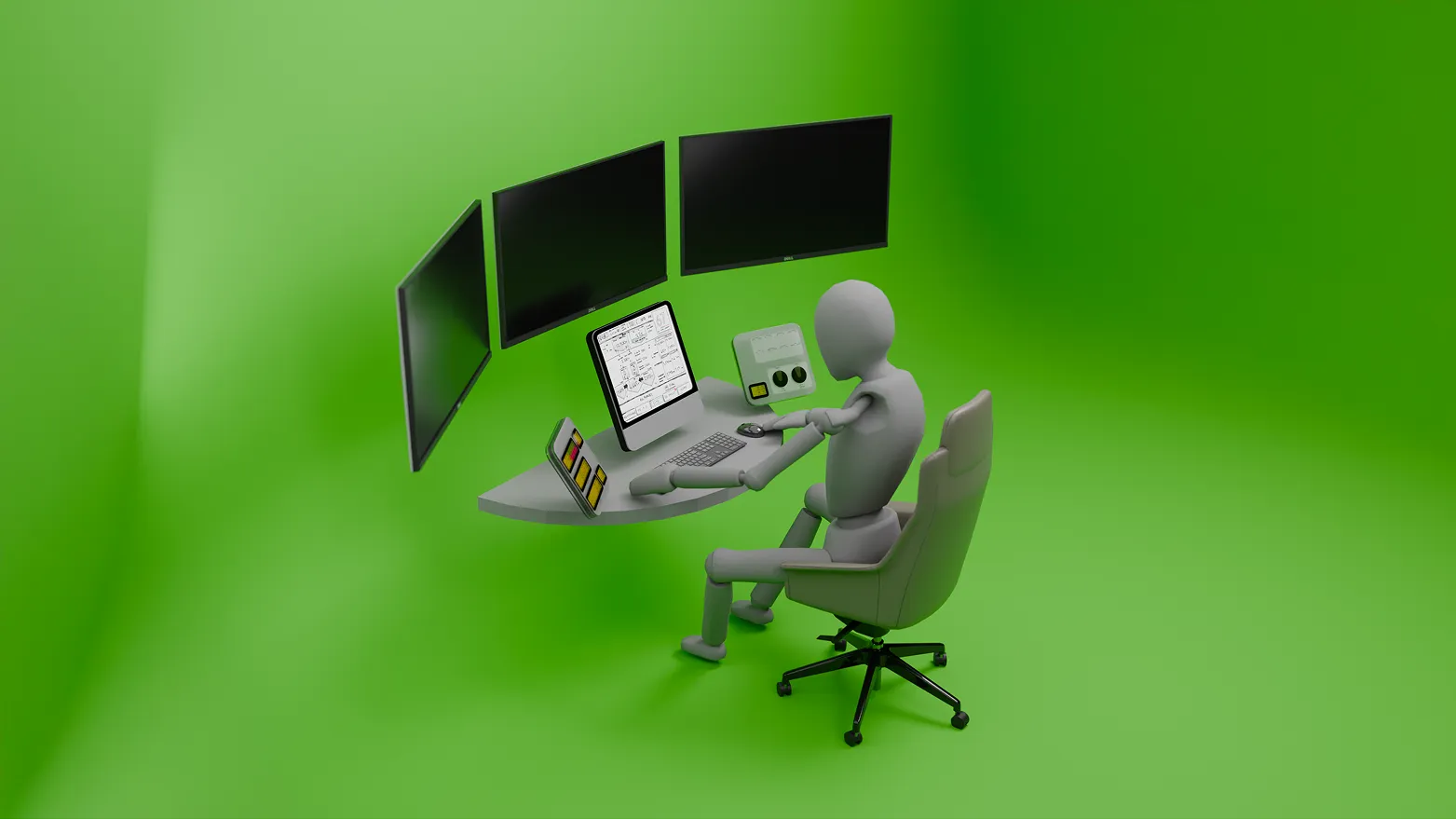
The teleremote surface control station was designed as a complete working environment, not a collection of monitors. Ergonomics, reach, posture, and sustained use shaped the physical layout. Tactile and auditory feedback preserved the sensory cues operators rely on when removed from the machine itself. The result is a remote operating experience that feels stable and trustworthy, giving operators the confidence to make decisions from a distance.
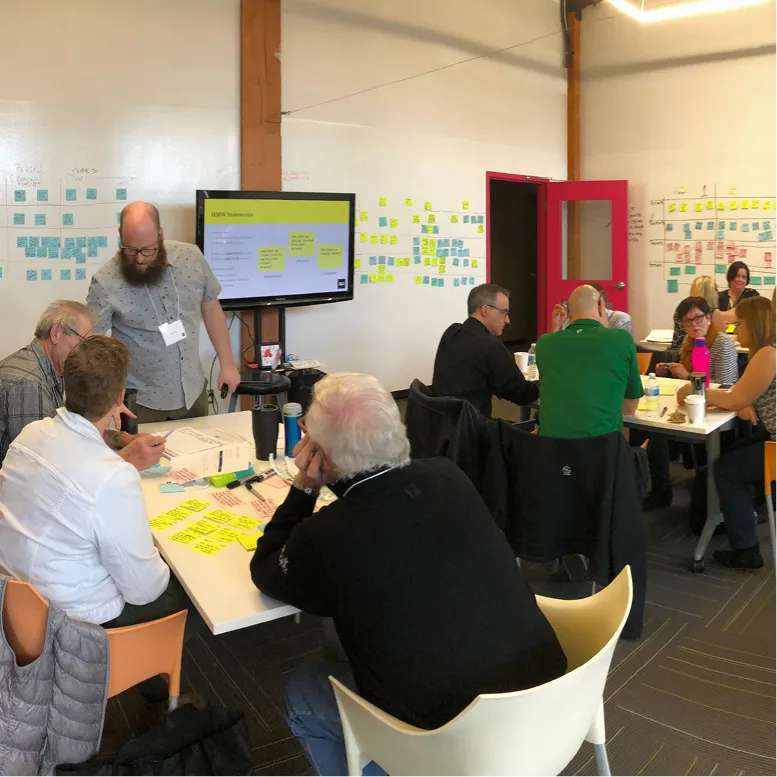
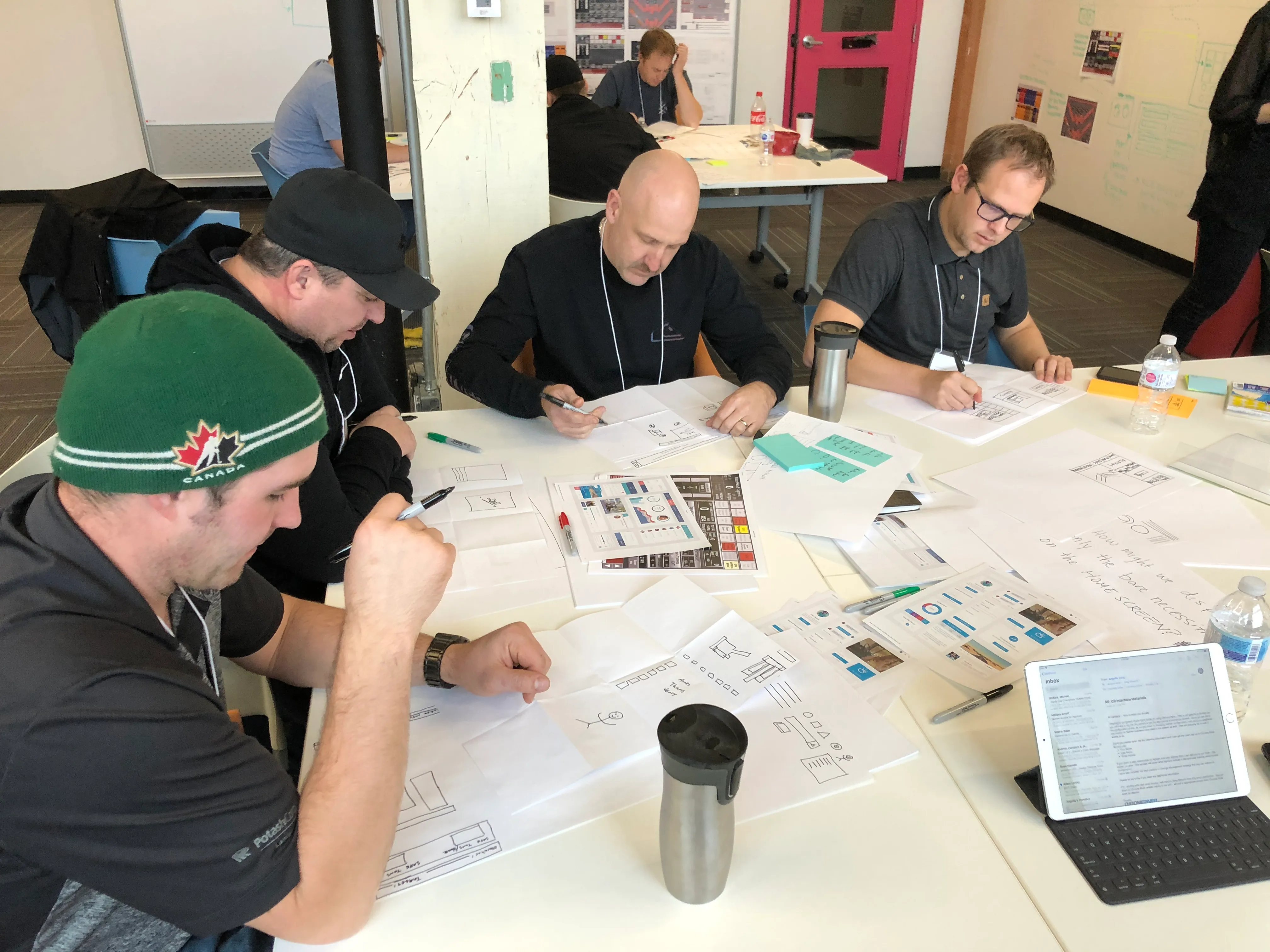
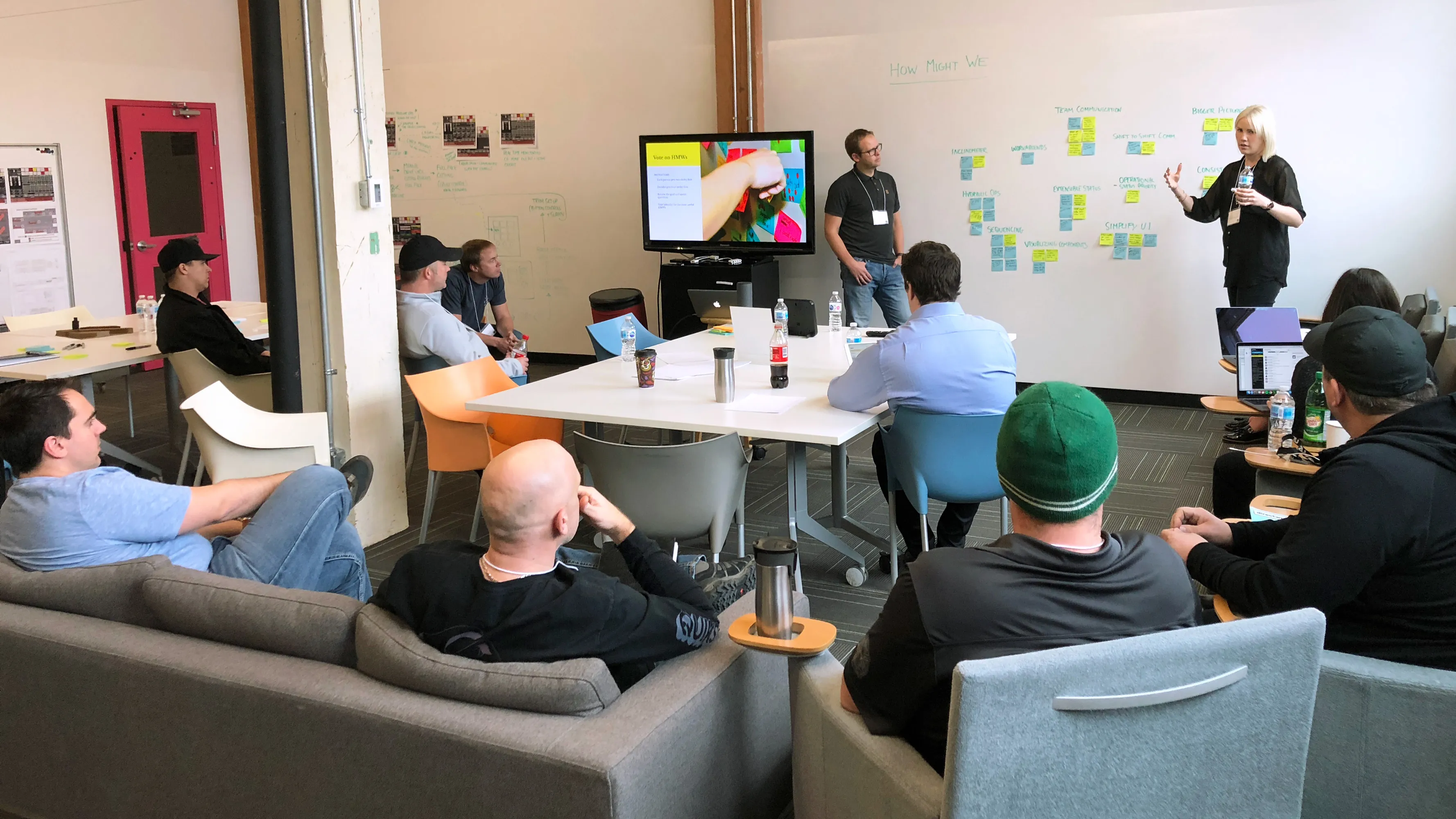
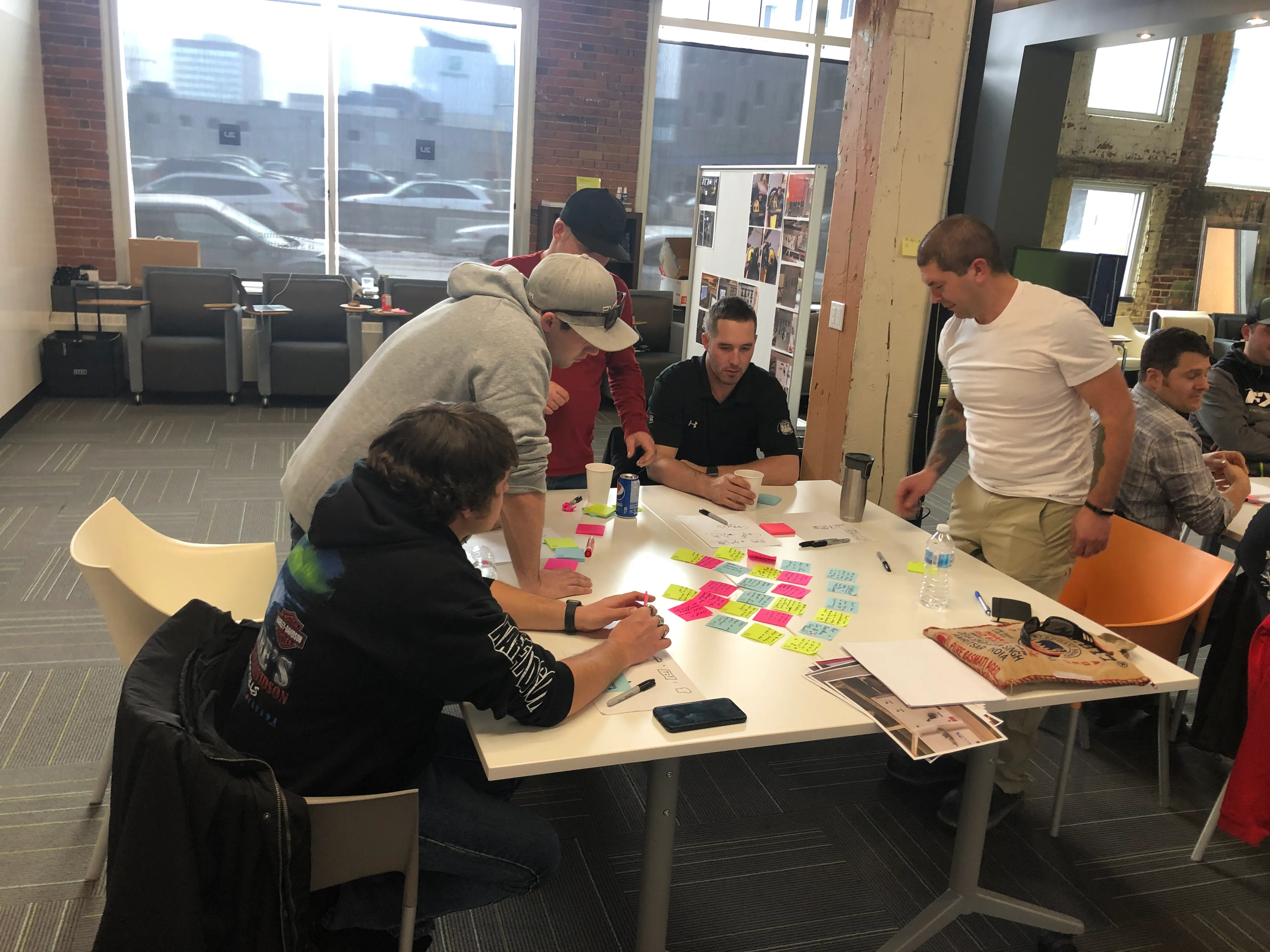
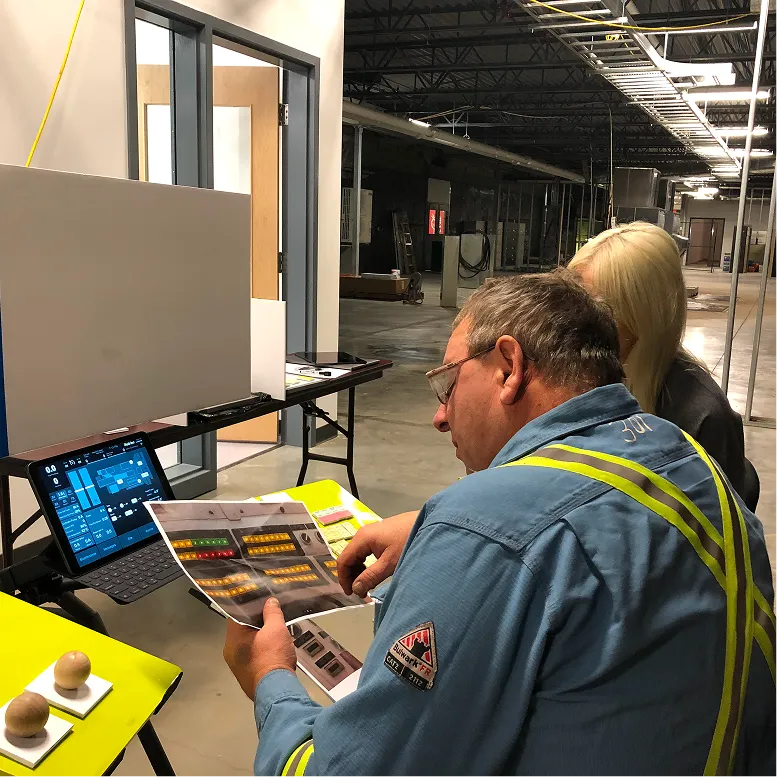
Operators were involved early and often. Workshops, usability testing, and on-site feedback sessions shaped every decision, ensuring the design reflected real workflows, real constraints, and the conditions that define underground work. This wasn't design for operators. It was design with them.
The outcome is a cohesive HMI and teleremote concept that moves high-risk work from underground to surface, supporting safer decisions, reducing injury exposure, and giving Nutrien a foundation for automation that keeps people at the center.
Not sure where to start? Tell us a bit about yourself and your product or project. With over 30 years of experience, we’ve seen it all. No matter what stage you’re in, we’ll find a way to help or guide you to someone who can.
Contact arrow_forward arrow_forward Book Meeting arrow_outward arrow_outward