
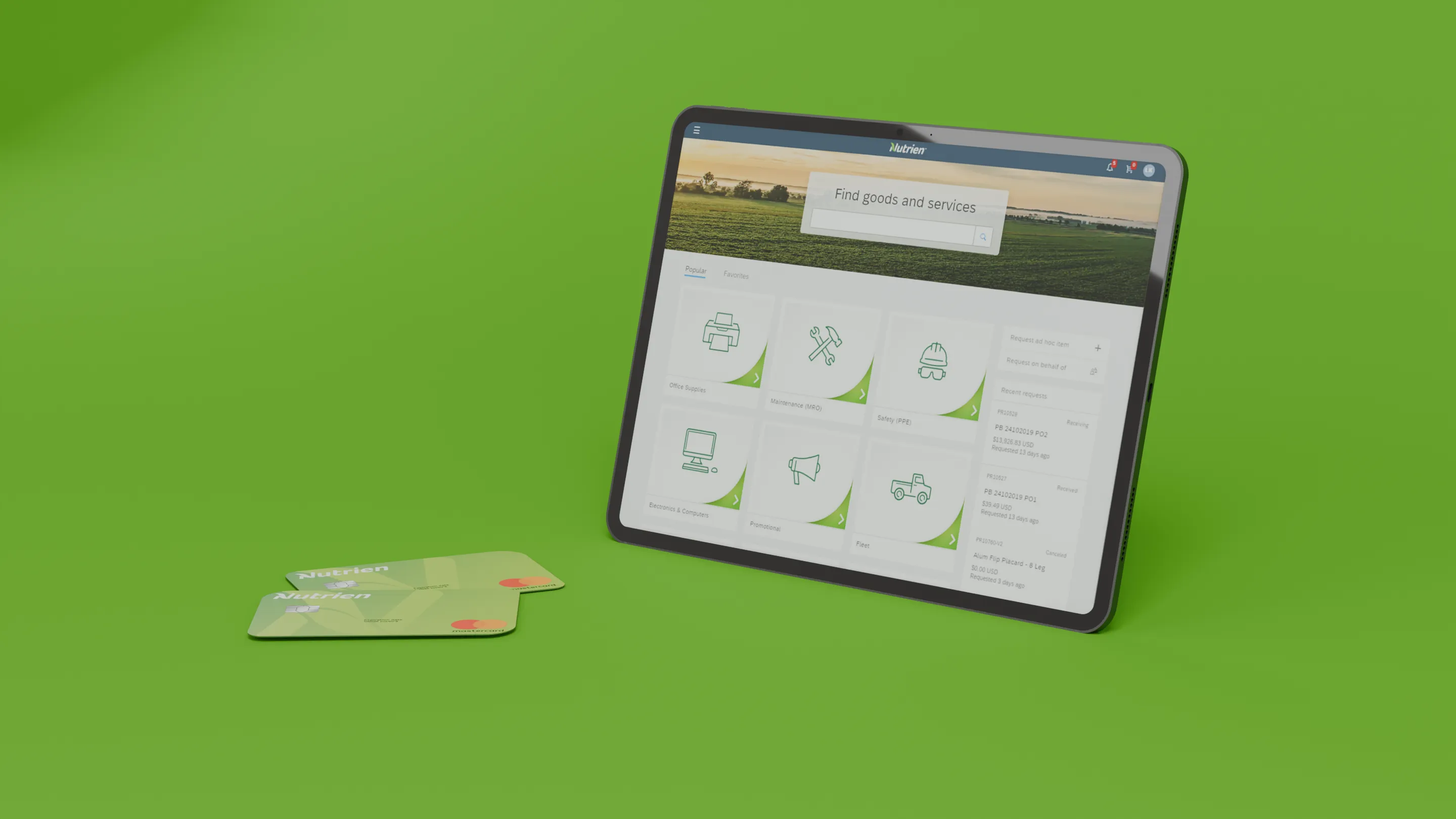


A user-centred procurement rollout that aligned three merged organizations and made purchasing tools usable at scale, driving adoption across 20,000+ employees and unlocking $1.0M+ in annual savings.
Following the merger of Agrium and PotashCorp, Nutrien became the world's largest provider of crop inputs, services and solutions; but behind that headline, more than 20,000 employees across three legacy organizations were being asked to change how they work, all at once.
The mandate was to align Agrium, Crop Production Services, and PotashCorp onto a single suite of policies and technologies, and deliver the savings promised to investors. The new ecosystem included Ariba, Amazon Business, SAP S/4HANA, and a new Card and Expense Management system, all rolling out to a workforce that was still learning how to be one company.
Employees were overwhelmed, uncertain, and deeply distributed. Information lived across more than 50 decentralized SharePoint sites: duplicated, outdated, and hard to find. The organization was under pressure to move fast, which made it harder to justify the time required for meaningful user research.
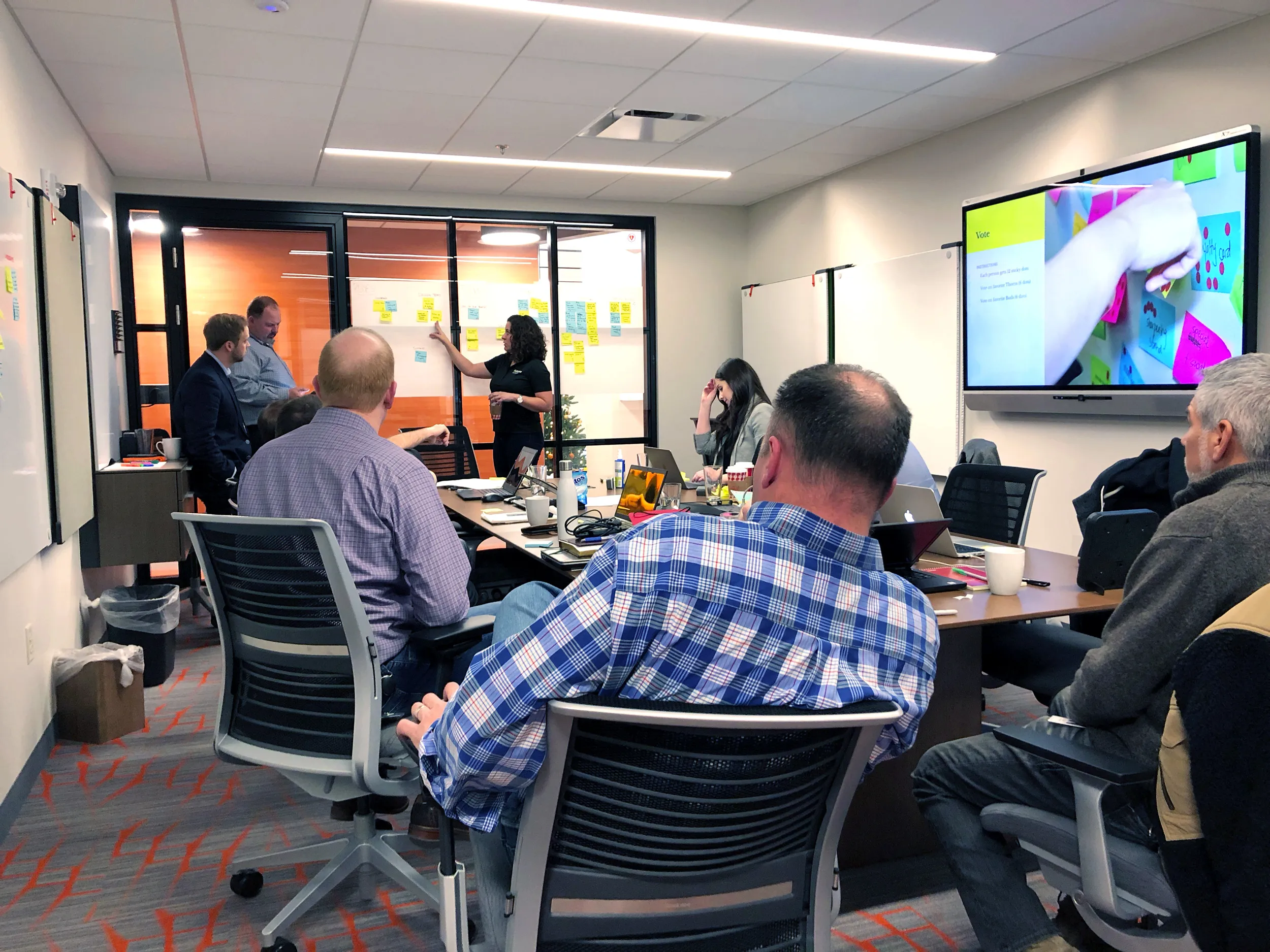
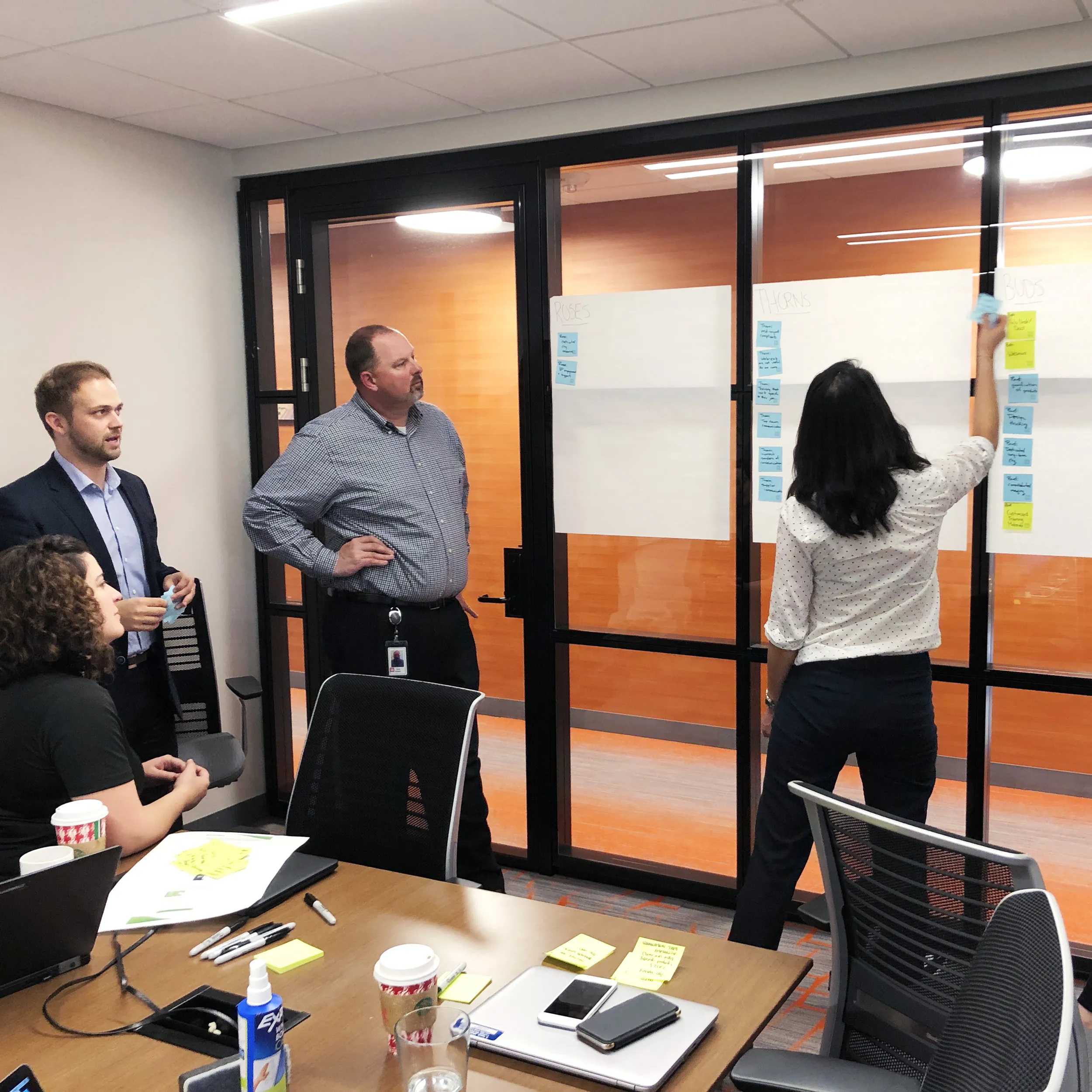
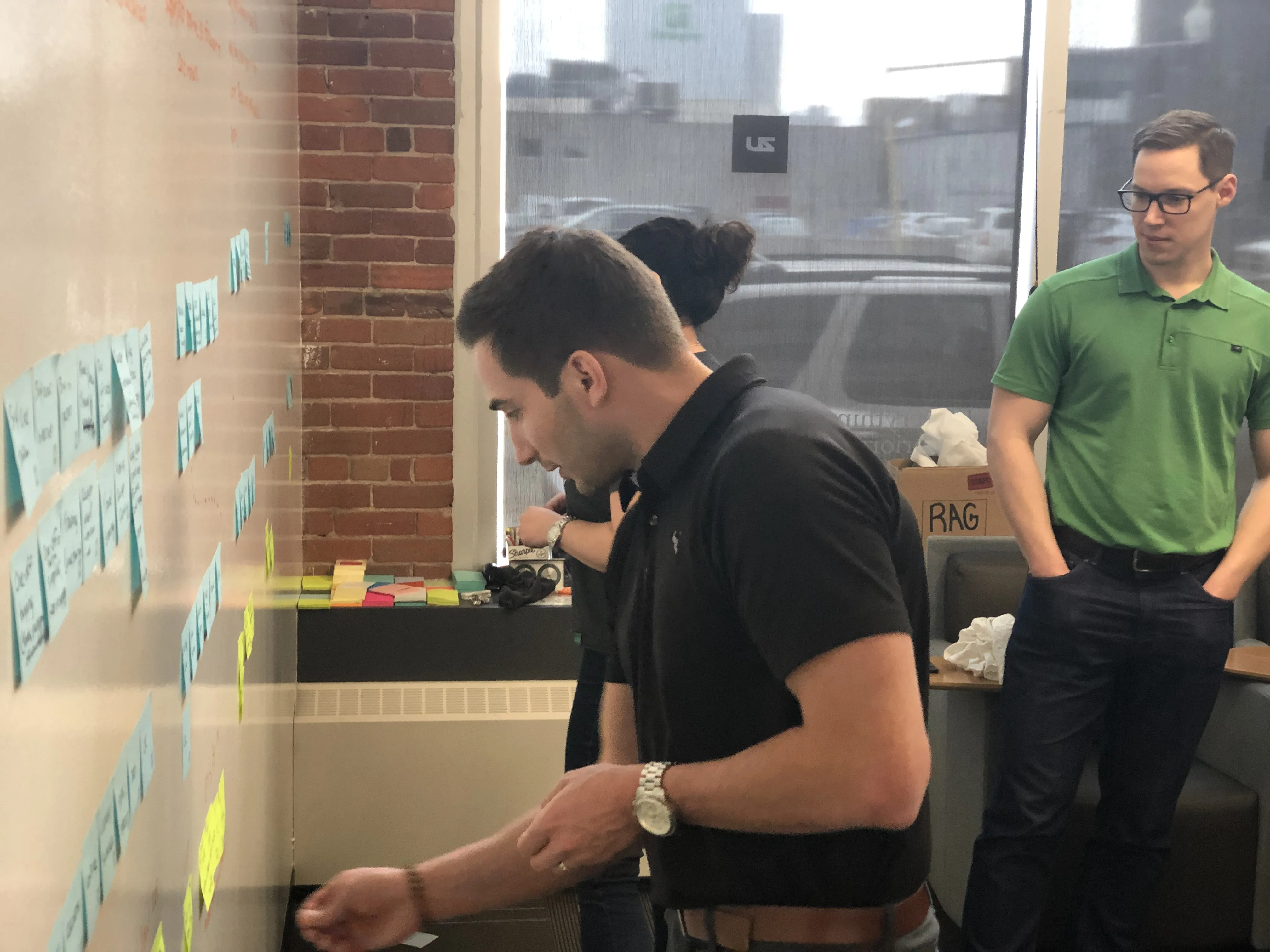
Through retros on past change management efforts, interviews and persona workshops we understood why change management for a freshly merged organization of over 23,000 employees wouldn't be easy.
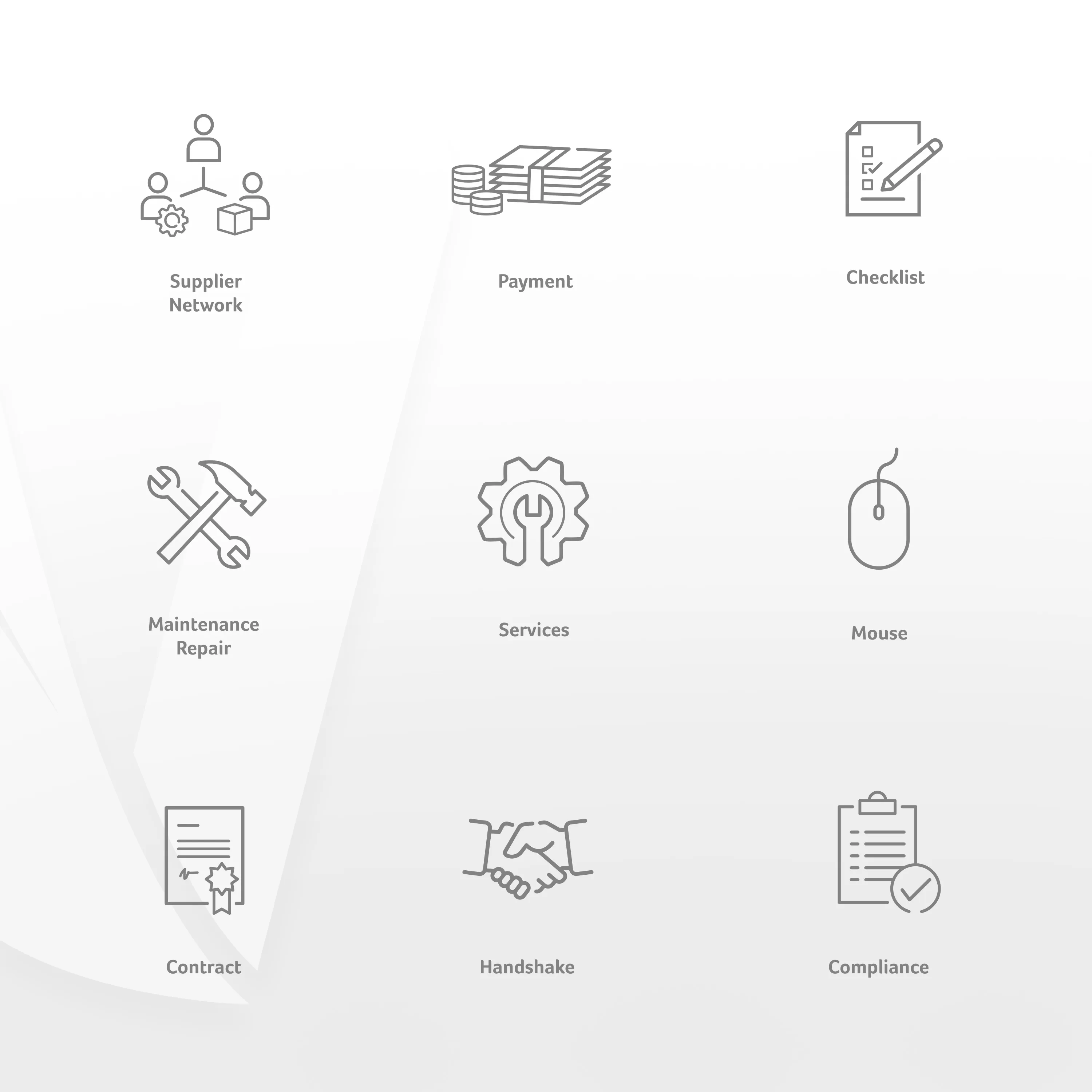
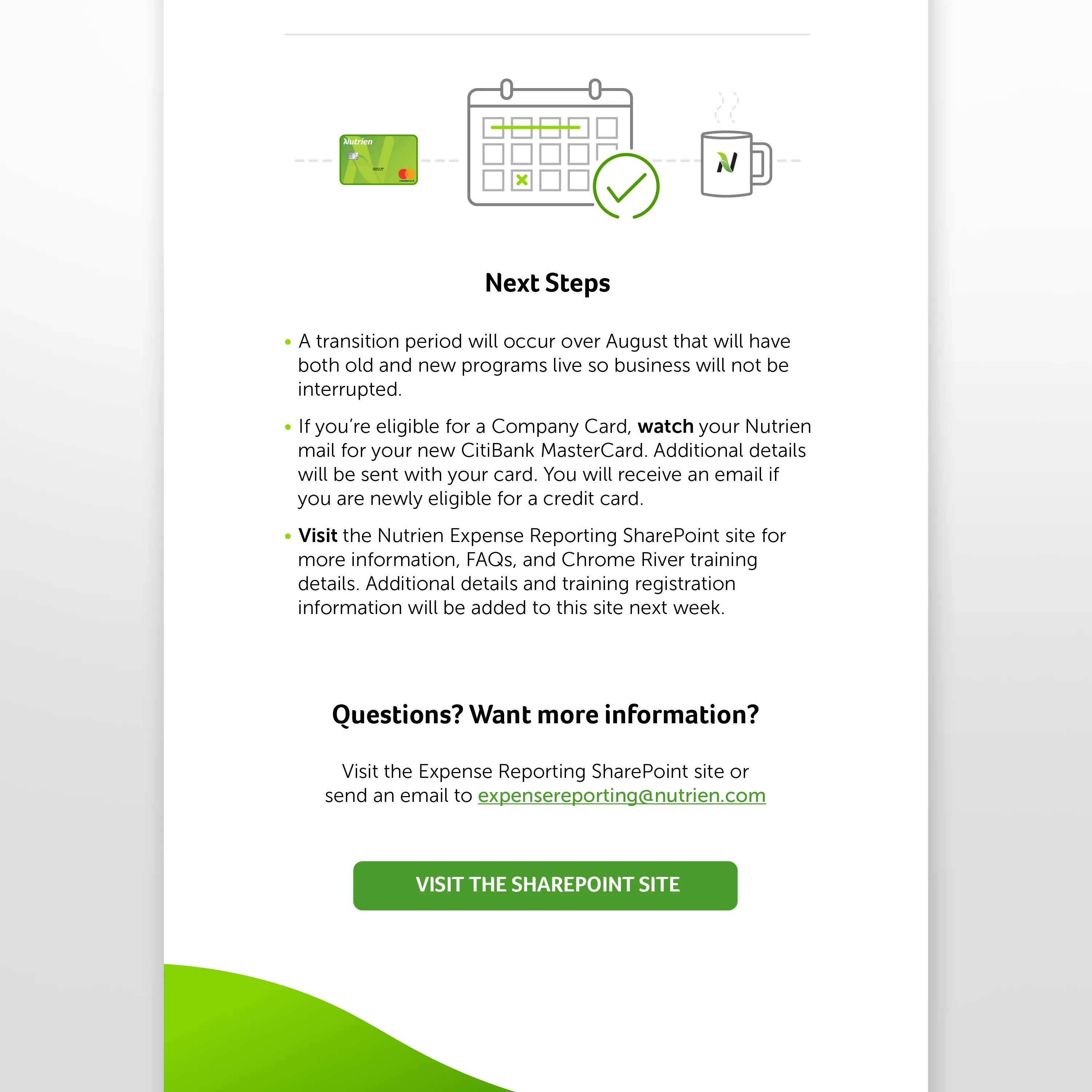
Combining design thinking principles with traditional change management methods, we identified cross-platform personas, communication channels, and methods to ensure communication assets designed, developed and delivered were informed by users — achieving buy-in from the ground up. Following a prototyping and testing phase, the feedback from users allowed our team to confidently build print and digital assets, communication materials and a full brand extension for multiple system rollouts. Assets included:
Not sure where to start? Tell us a bit about yourself and your product or project. With over 30 years of experience, we’ve seen it all. No matter what stage you’re in, we’ll find a way to help or guide you to someone who can.
Contact arrow_forward arrow_forward Book Meeting arrow_outward arrow_outward